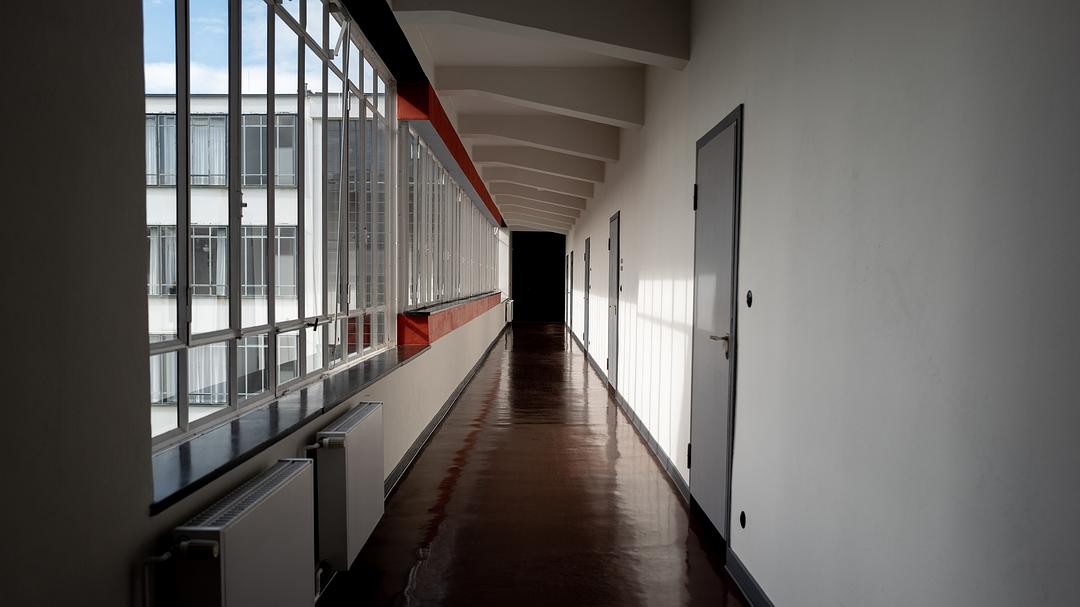
Meisterhäuser (Masters’ Houses)
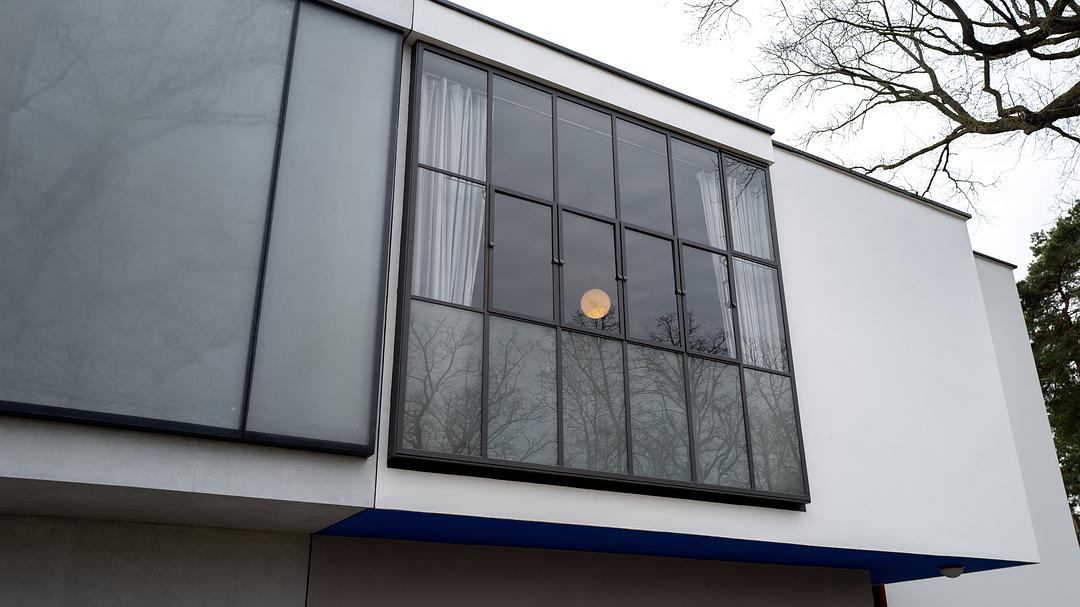
The name sounds cool. But in reality, they are just villa buildings where professors lived. They were not only used for living. They were also used as studios and for organizing teaching activities. They served diverse functions.
Four independent villas are located north of the main school building. They stand in a tall, open forest. Admiring them from the outside feels like appreciating sculptures in nature.
The tour experience of the villas is quite novel. Facing the villa buildings from left to right, the first building is set up as a ticket office. The second and fourth buildings are open for visits. The third building is still used as an artist’s residence and studio. Because it is a private residence, the entrance is narrow. It only leaves enough width for one person to enter or exit. The main door is closed by default. If you want to buy a ticket or visit, you need to knock or ring the doorbell. Staff inside will welcome you before you can enter the building.
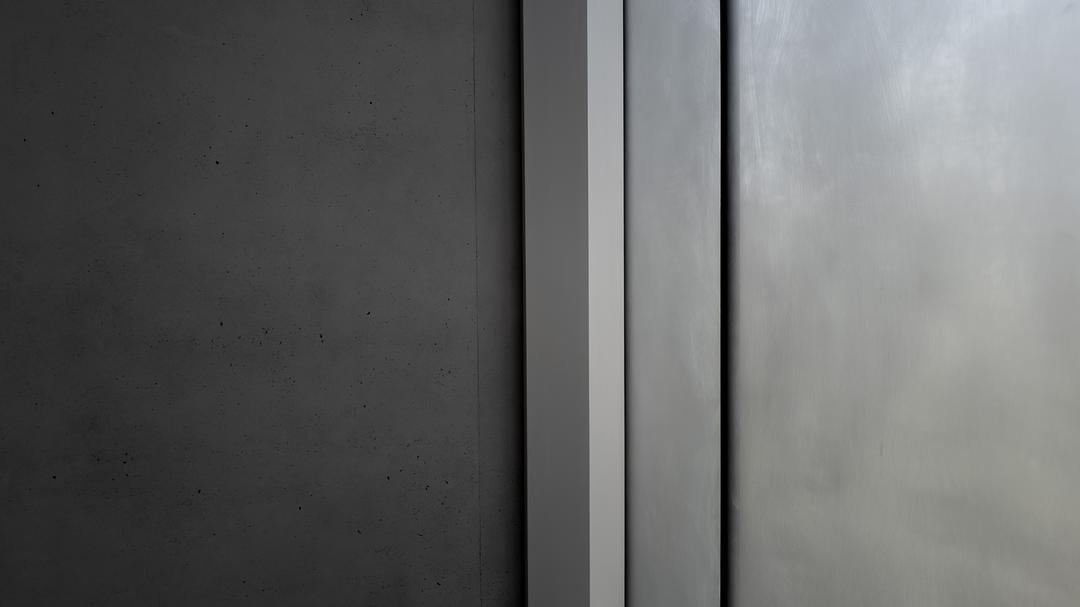
The main colors of the architecture are black, white, and gray. The shapes are not regular squares. Instead, they are an interweaving and combination of three-dimensional rectangles. Depending on the combination, the appearance of the building presents different states. But because they share “basic components,” the overall style and function are consistent. This seemingly contradictory state makes the originally dull group of buildings more profound.
However, the enthusiasm of these architects did not end there.
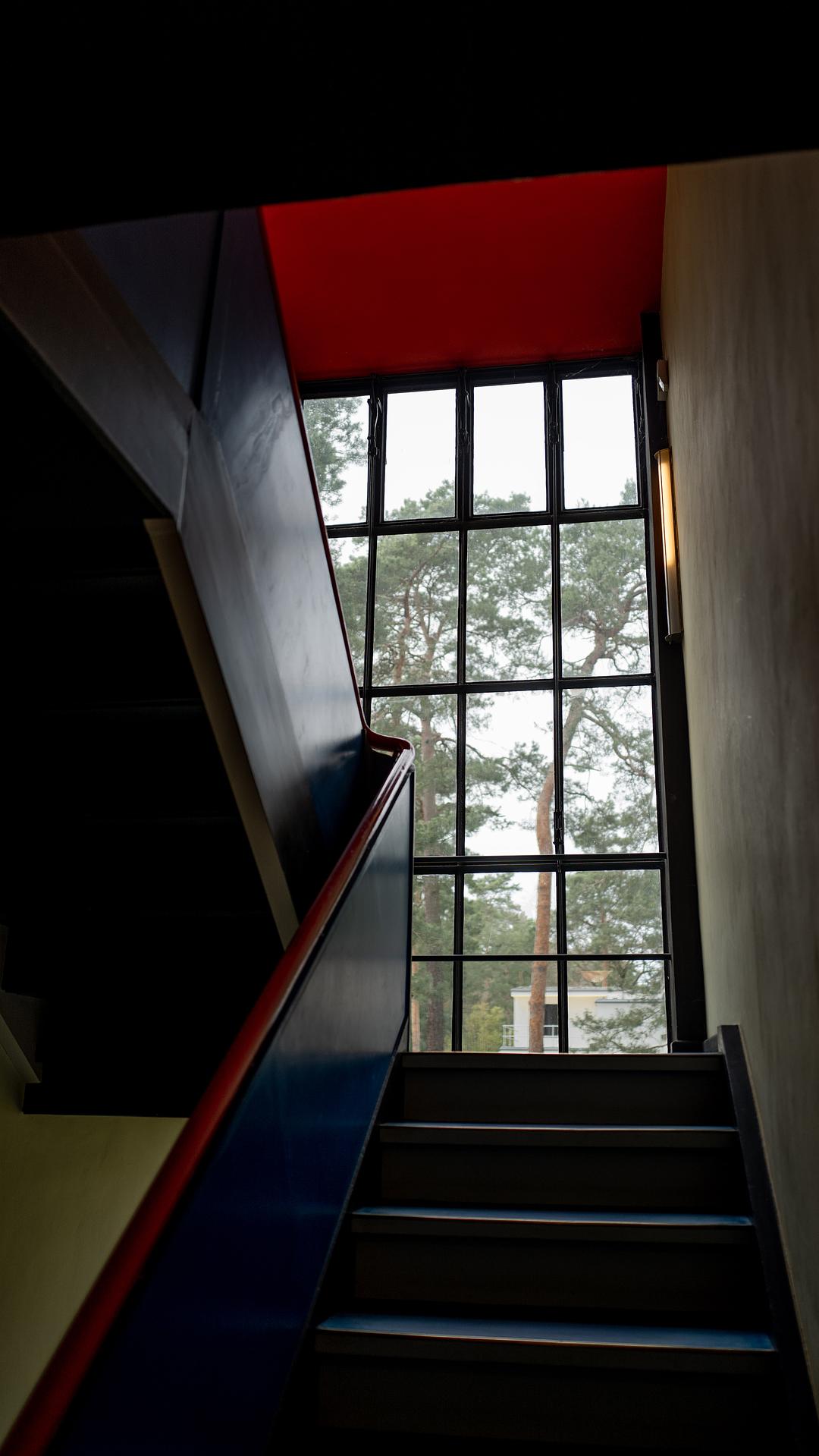
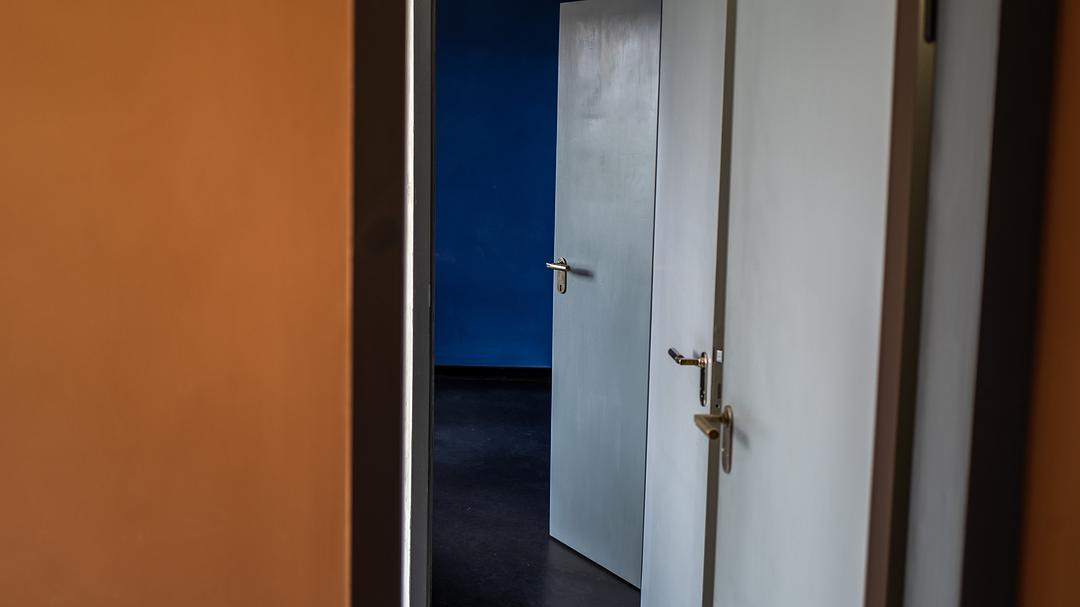
When you approach the building and observe it from all sides, pure red, yellow, and blue colors will flicker in your vision. Pure colors are like flying fish. They shuttle actively and rise and fall on the vast sea surface. They often appear in inconspicuous places. For example, inside window frames or on the ceilings of the building’s exterior. I view them as the restrained and controlled passion of these masters. The trivial embellishments of the old era have not yet detached from people’s minds. It remains in the hidden corners of modern design in a profound way. It is both a sudden flash of thought and a silent request. It invites you into this building and into this new era with a solemn and regular posture. Just as every wall is the gray-white of cement, you may be treated with silence. But those lively colors that suddenly flash tell you something. It is definitely not cold or rejecting. The master’s thinking and inspiration permeate every detail. You will experience what independence, freedom, and humor are from it.
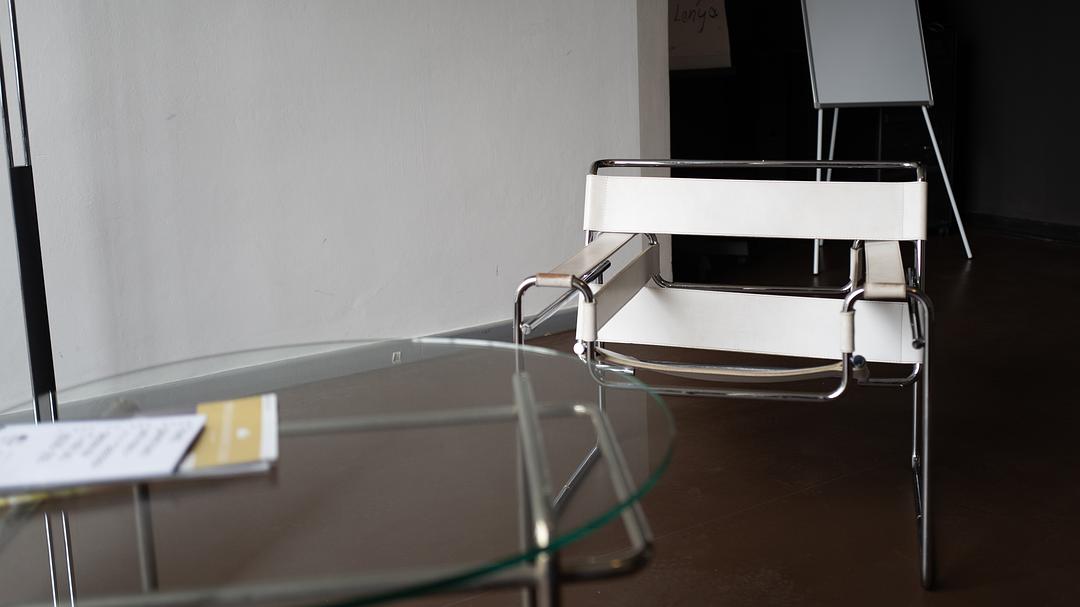
When organizing photos, I found that Bauhaus design has a kind of continuity. The form may be scattered, but the spirit is not. Although the forms of the works are ever-changing, it is like a sphere drawn from a core point. When you experience it by circling around, you not only see the different surfaces of the sphere. You can also see the unified and harmonious core from behind. This unique continuity and cohesion seem rare in other artistic concepts.
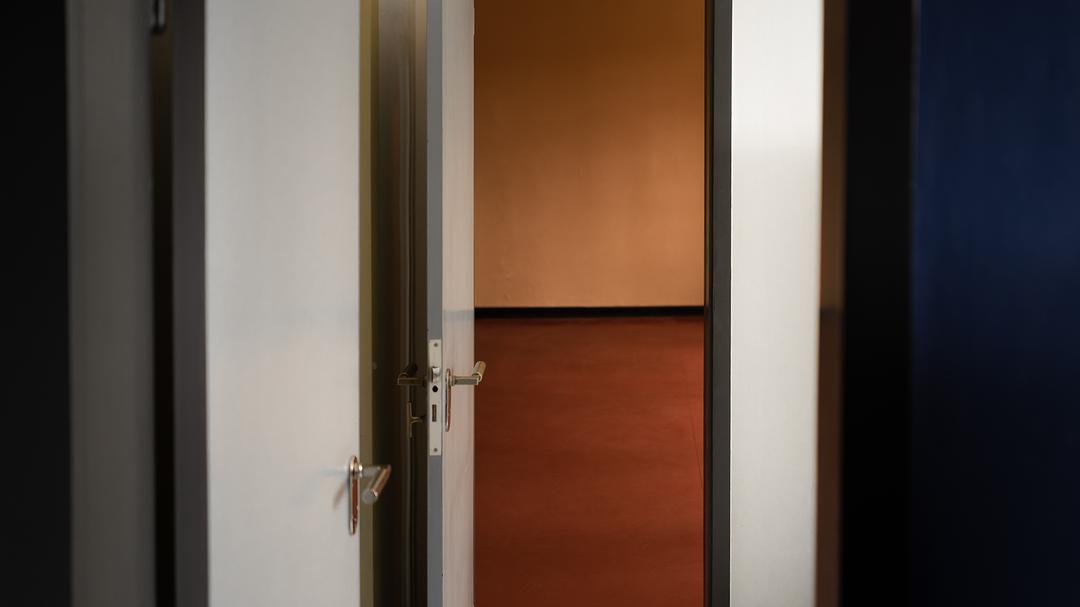
As I passed through doors and tried to capture the scenes inside the buildings, the shadows of Kandinsky and Mondrian appeared in my camera time and again. I was surprised by the sincerity and enthusiasm revealed therein. They lived in the building. They did not just engage in dry artistic conceptual fantasies. Instead, they thought and breathed together with the space. They merged the skin of the space into their hearts. Then they unreservedly returned the fruits of their thinking to the space and the design works under their pens. This achieved a positive feedback loop. A channel of consensus formed between them and the design objects, between the inside and the outside. Design inspiration and enthusiasm flowed through it. Because of this honesty, we are able to perceive it. We become the ones who receive the grace.
Bauhaus Museum
The museum is located in the city center. It is only a ten-minute walk from the train station. The main street is under repair. There are few cars on the road. Also because of the holiday, there are very few people on the street. The quiet air is filled with loneliness and desolation. In the small park in the city center, elderly people are strolling. Younger students are gathered together playing ball. Finding noise amidst the quiet is not commonly seen in Munich.
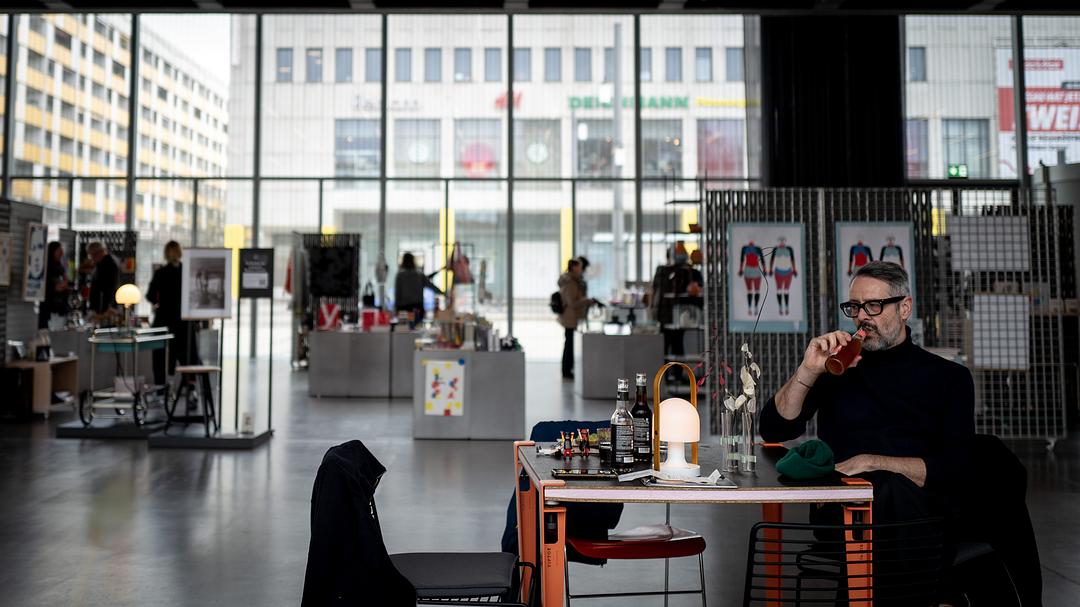
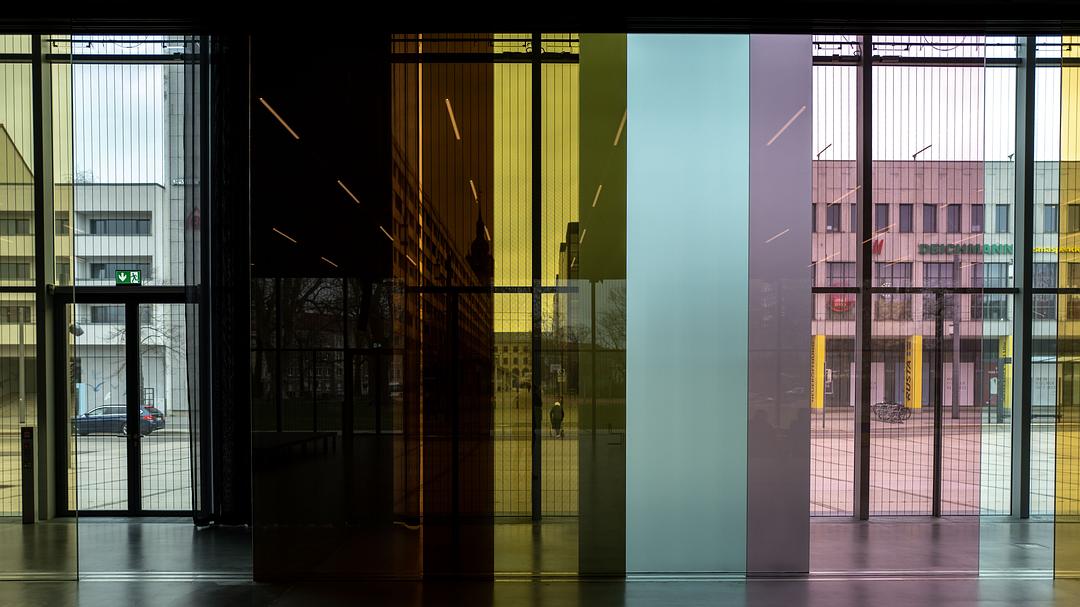
The museum building is a very standard rectangular block. To prevent it from being a boring hard lump, the dark transparent outer wall adds a lot of interest. If you look closely, you can find visitors resting inside.
Pushing the door open, the entire floor comes into view. The ticket office, coffee shop, and the entrance to the upstairs exhibits are all placed on one side of the building. The other spaces are true to their name. They are really “space.” Shelves selling souvenirs, tables and chairs for people to rest, and large building blocks for children to play with are scattered messily in the space.
The wide area and extremely high ceiling make these scattered modules look even more mini. Suddenly, space as an abstract word becomes intuitive and emotional. I stand here and look over there. I involuntarily start to imagine what should fill this area. Maybe some art exhibits? Or let actors put on a show? The designer is quite mischievous. They specifically planned a vast but limited space to lure out people’s desire to fill it. Conflicting with imagination, reality is empty. The huge glass curtain wall reflects the bits and pieces in the space. The extreme contrast outlines the contours of the space. I look at the glass and see my blurry self. I deeply feel the embrace of the polygon.
Upstairs is the exhibition hall. It includes numerous works related to Bauhaus. Rather than works, it is better to say lifestyles. It ranges from small daily furniture to large buildings. It is as specific as the placement of pots and pans, and as abstract as the concepts of circles, squares, and triangles. The largest exhibition hall unfolds from the perspective of characters. It not only lists the professors’ works but also expansively includes student works from the courses. You can notice how important the teacher’s instruction is to the student’s style.
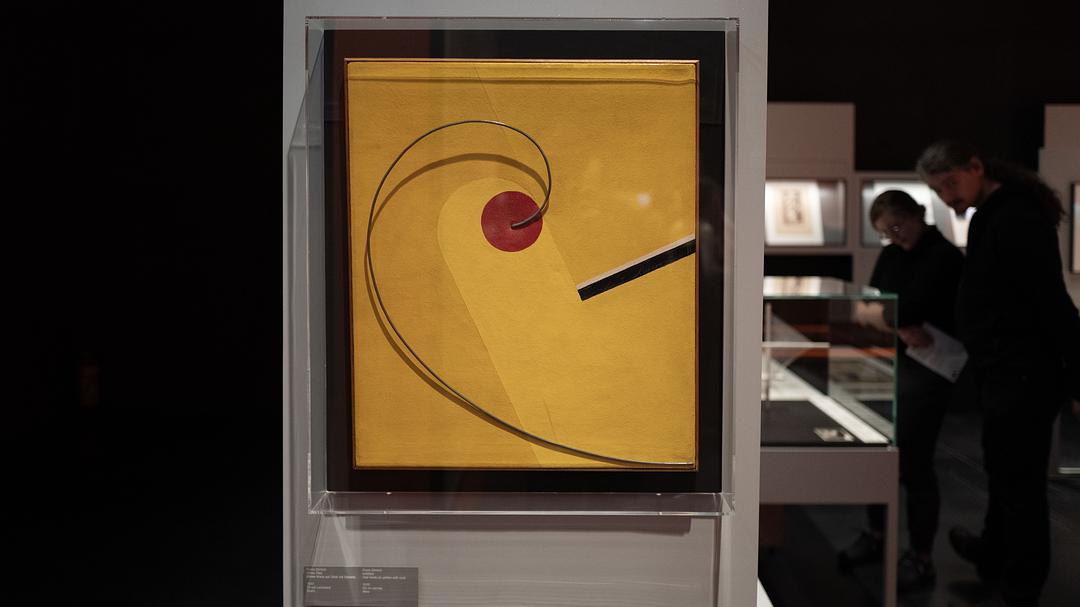
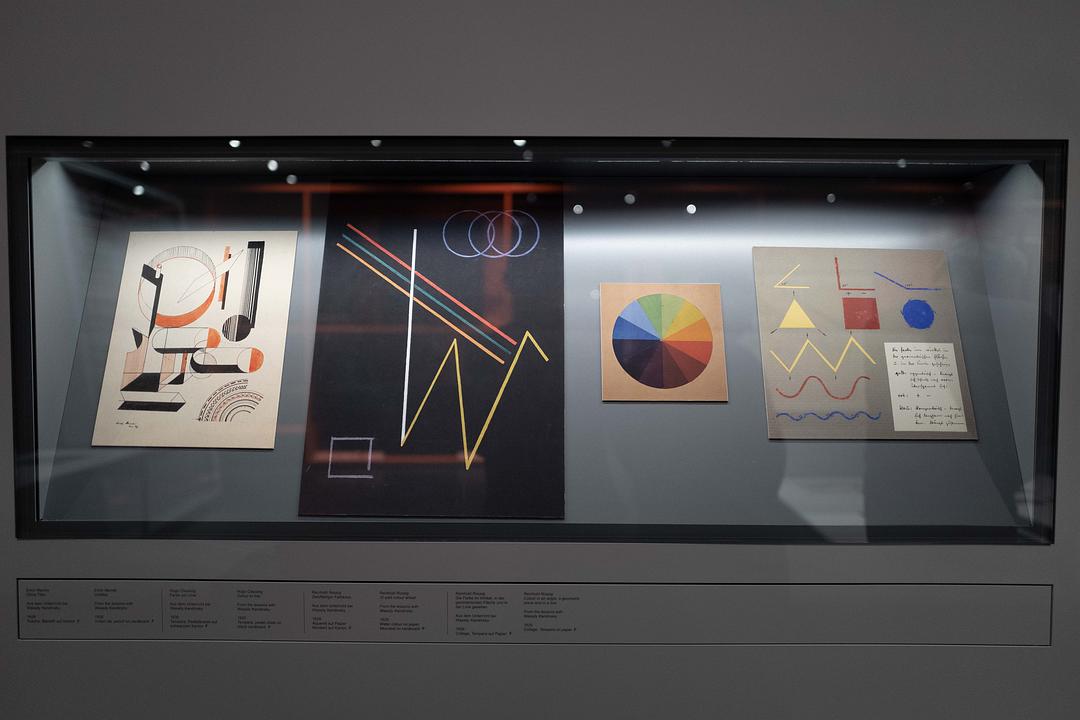
Every piece of Bauhaus work seems to move towards the direction of “being what it is.”
Take an old-fashioned chair as an example. From the chair legs to the connection with the seat, and then to the chair back, you can find traces of decoration. Whether it is natural carving, mythical dragons and phoenixes, or simple curved lines, they are all shouting to people. We are beauty. We are art. As for the chair itself, it retreats to the background and becomes a carrier of beauty.
The owner places it in the room. They introduce the finely crafted craftsmanship on the chair to every guest. After the introduction, they ask the other person to sit on it. They drink tea and chat as usual. The exquisite skills that were just marveled at are all ignored under the buttocks.
Bauhaus intentionally strips away these forking paths in the garden. It attempts to expose the most basic attributes of the chair. Through contemplation, the creators directly connect the former “being” with the latter “being” (the concept of the chair itself). Thereby, they lead people lost in the garden directly to the exit of the maze.
I feel awe and moved by this long-lost straightforwardness and the courage to expose.
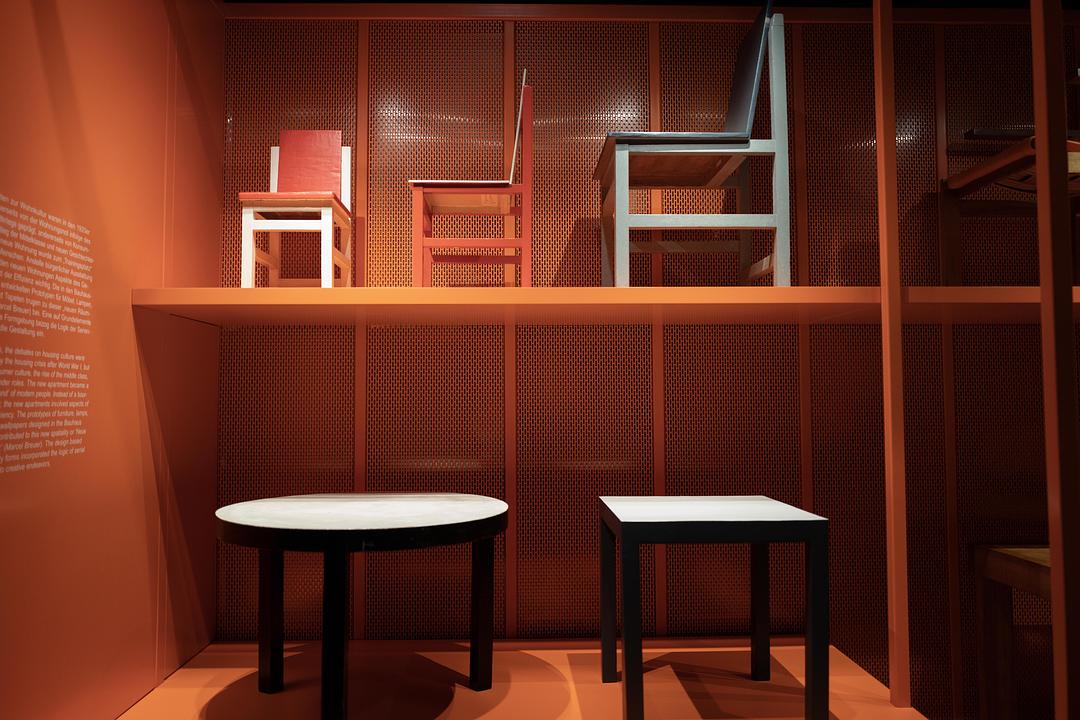
Roaming in the “home market” named Bauhaus, what I feel is order and contradiction.
Order refers to the balanced considerations made by artists for the sense of design and craftsmanship. I do not feel its messiness. Even if different works by different authors are put together, they appear very harmonious. For example, combining a set of furniture using only basic square shapes. This product based on the same rules and concepts is the most powerful embodiment of the sense of order.
Contradiction is not that complicated to understand either. Sincere and clear thinking is like red flame-like enthusiasm. This is the artists attempting to dig works out of general human intuition through the most authentic and straightforward way. We ordinary people can use them immediately even without an instruction manual placed on the side. On the other end of the scale is calm and serious insight. It is like blue ice crystal-like abstraction and simplicity. Pure red, yellow, and blue primary colors, and straight and smooth geometric curves come from physical nature. Yet they have never walked out of the School of Athens. They have never approached people’s most practical lives.
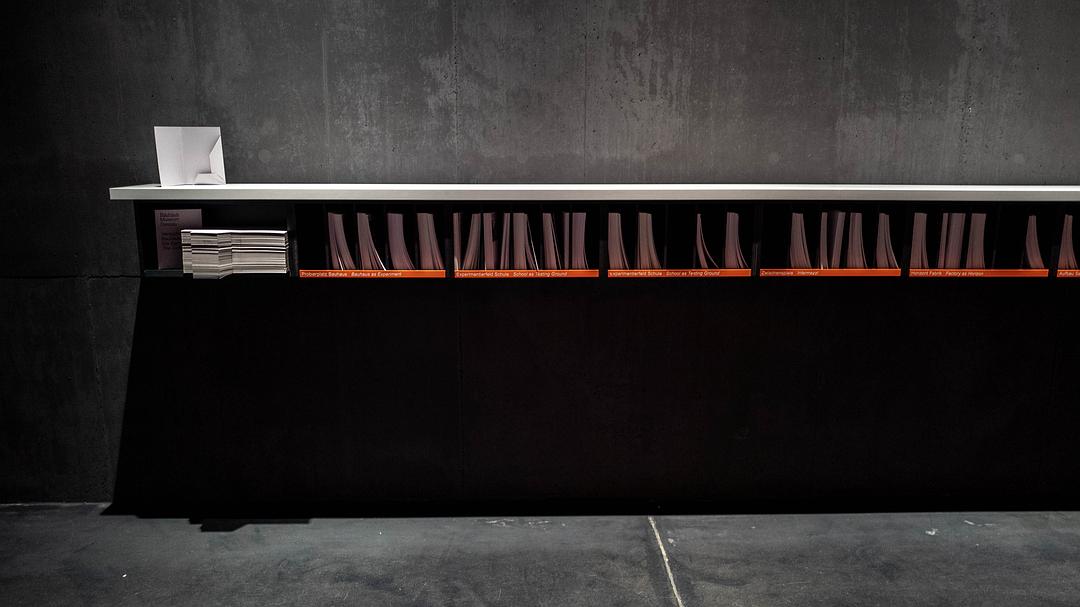
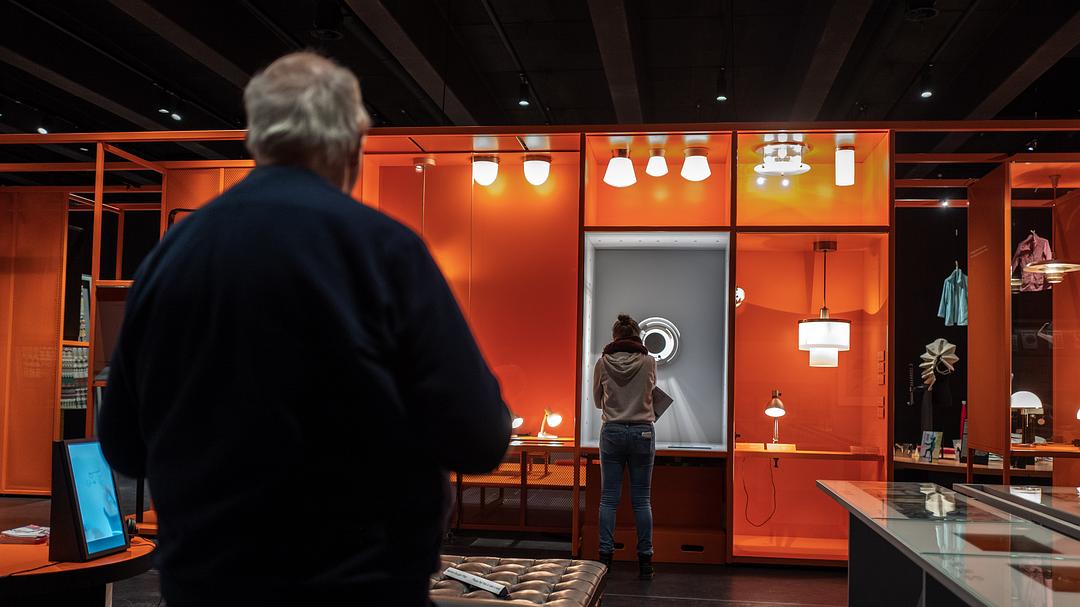
The ice-blue abstract essence is transported to this current era through the most passionate red expression. It has become a guide for people in modern life. Such a contradiction has both a human side and a non-human side. The complexity of multiple layers makes it a rich fertile ground. Any kind of fruit can thrive in it with just a little modification and adaptation. I think this is the secret of why Bauhaus still plays an important role in our vision even after a hundred years.